
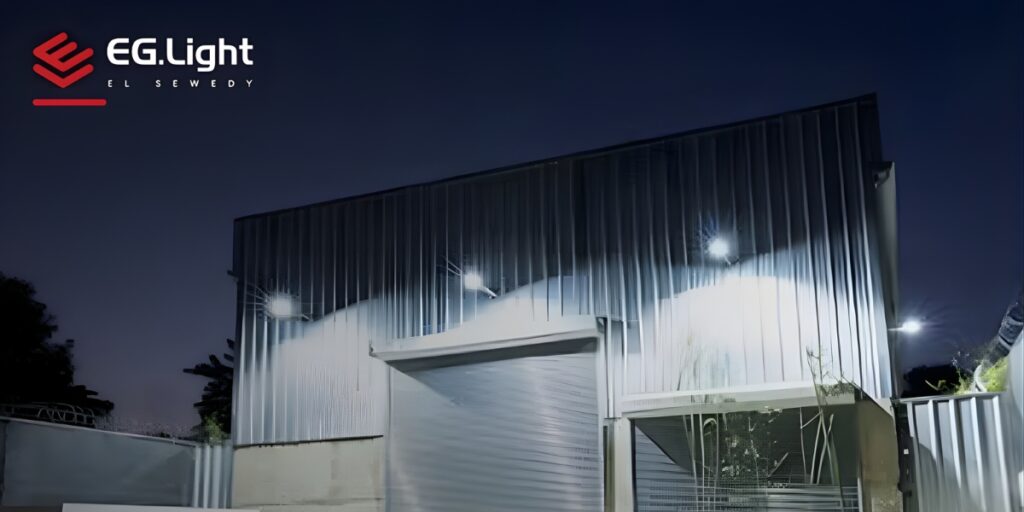
EG.Light Elsewedy Smart Lighting is a smart investment to reduce operating costs
With rising energy costs, managing electricity consumption in commercial buildings is no longer just an environmental option, but an economic necessity to maintain corporate profitability. Smart lighting stands out as one of the most powerful technology solutions that ensures immediate and sustainable reductions in operating bills.
1. Intelligent Control: A Mind That Turns Light
Smart lighting relies on central control systems that allow lighting to be scheduled based on actual working hours. Instead of leaving lamps running for long hours in empty offices or unused hallways, the system automatically adjusts lighting, preventing unnecessary waste and extending the life of operational units.
2. Motion Sensors (Motion Sensors): Light only when needed
Motion sensors are one of the most effective technologies in places that do not require a permanent presence, such as meeting rooms, warehouses, restrooms, and archive areas.
How does it work? Sensors turn off the light completely as soon as people leave the place, and illuminate it as soon as any movement is detected.
Economic impact: This solution ensures that not a single watt is consumed in empty spaces, which reduces energy consumption in these areas by up to 40%.
3. Daylight Sensors (Daylight Sensors): Exploitation of Natural Resources
These sensors are considered “true intelligence” in saving energy. Buildings with large windows receive amounts of natural daylight, and artificial lighting often continues to operate at full power despite sufficient lighting.
Mechanism: These sensors measure the level of natural light and adjust the intensity of artificial lighting (Dimming) proportionally; The more sunlight, the dimmer the artificial lighting, and vice versa.
4. Commercial Building Energy Management (BEMS)
Integrating smart lighting into a building management system (Building Energy Management System) allows managers to monitor consumption in real time. The system allows:
- Identify higher consumption areas and reset their settings.
- Receive alerts when there are malfunctions, reducing regular maintenance costs.
- Collect accurate data on usage patterns to make informed investment decisions.

