
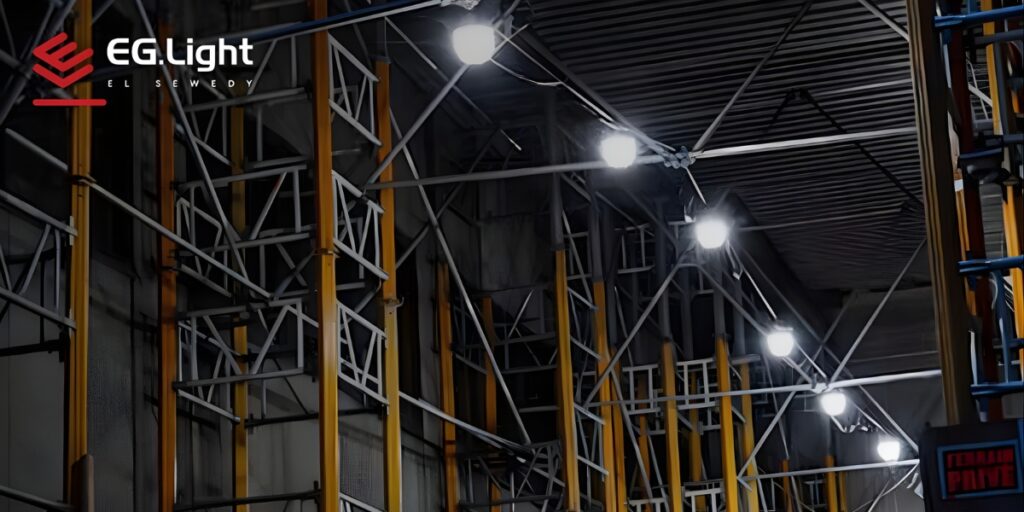
EG.Light Elsewedy is the light artery for the success of national projects
In the national development process, major projects are measured not only by the size of their infrastructure, but also by their operational efficiency and sustainability. Modern lighting solutions play a pivotal role as a key enabler, transcending their traditional function to become part of the security, economic, and architectural aesthetics of national projects.
1. The importance of lighting in major projects
In mega projects —such as smart cities, cross-provincial highways, and industrial zones— lighting is a “vital system” to ensure 24-hour operation. Availability of modern lighting:
Enhancing safety: reducing traffic accidents on highways and securing vital facilities.
Improving productivity: In industrial and logistics areas, lighting ensures the accuracy of operational processes and helps workers perform their tasks to the highest quality standards.
Visual identity: Lighting highlights the aesthetics of architectural landmarks and adds a civilized character to projects, enhancing their investment value.
2. Case studies of similar projects
Many development projects have undergone a radical transformation thanks to the modernization of lighting systems:
New roads and axes: The use of highly efficient LED spotlights on highways has reduced light pollution and precisely directed lighting along traffic paths, contributing to significantly lower accident rates.
Industrial cities: In major industrial areas, installing smart lighting systems linked to motion sensors in corridors and warehouses has helped transform these spaces into environmentally friendly work environments that are more than 50% less energy-intensive than traditional systems.
3. Success factors: accuracy and innovation
The success of integrating lighting solutions into national projects lies in several factors:
Pre-engineering planning: studying paths and load distribution to ensure optimal coverage without waste.
Strict technical specifications: Use products with a high color rendering index (CRI) and the ability to withstand harsh climatic conditions (such as heat and dust).
Integration with intelligent systems: Linking lighting networks to a unified control center that allows monitoring of the entire network, facilitating proactive intervention before any malfunctions occur.

